
In the modern era, our lives are increasingly defined by sedentary behavior. From office cubicles and long commutes to evenings spent on the couch, we spend an average of 9 to 11 hours a day sitting. Medical experts are now sounding the alarm: Sitting is the new smoking. Research suggests that prolonged inactivity is just as detrimental to your longevity and physical health as tobacco use.
1. The Surge in Chronic Disease Risks
When you sit for extended periods, your body’s metabolism shifts into a “standby” mode. This inactivity triggers a domino effect of health issues.
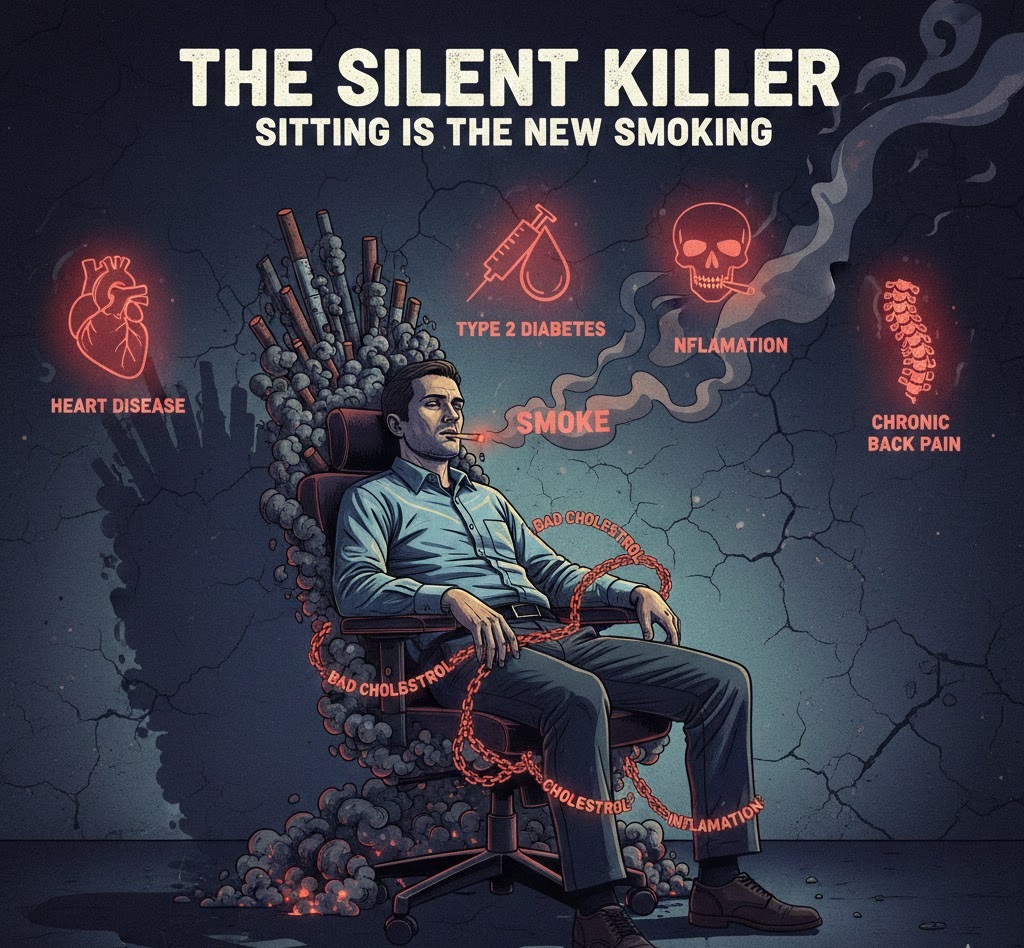
Cardiovascular Disease: Prolonged sitting slows blood flow and allows fatty acids to build up in the blood vessels more easily. This significantly increases the risk of high blood pressure, elevated cholesterol, and heart disease.
Type 2 Diabetes: Studies show that just 24 hours of inactivity can lead to a drop in insulin sensitivity. Over time, this makes it difficult for your body to regulate blood sugar, leading to diabetes.
Cancer Risk: Emerging research links sedentary behavior to an increased risk of certain cancers, specifically colon, breast, and endometrial cancers, likely due to increased inflammation and weight gain.
2. Musculoskeletal Deterioration
Our bodies were designed to move. When we remain static, our structural integrity begins to suffer.
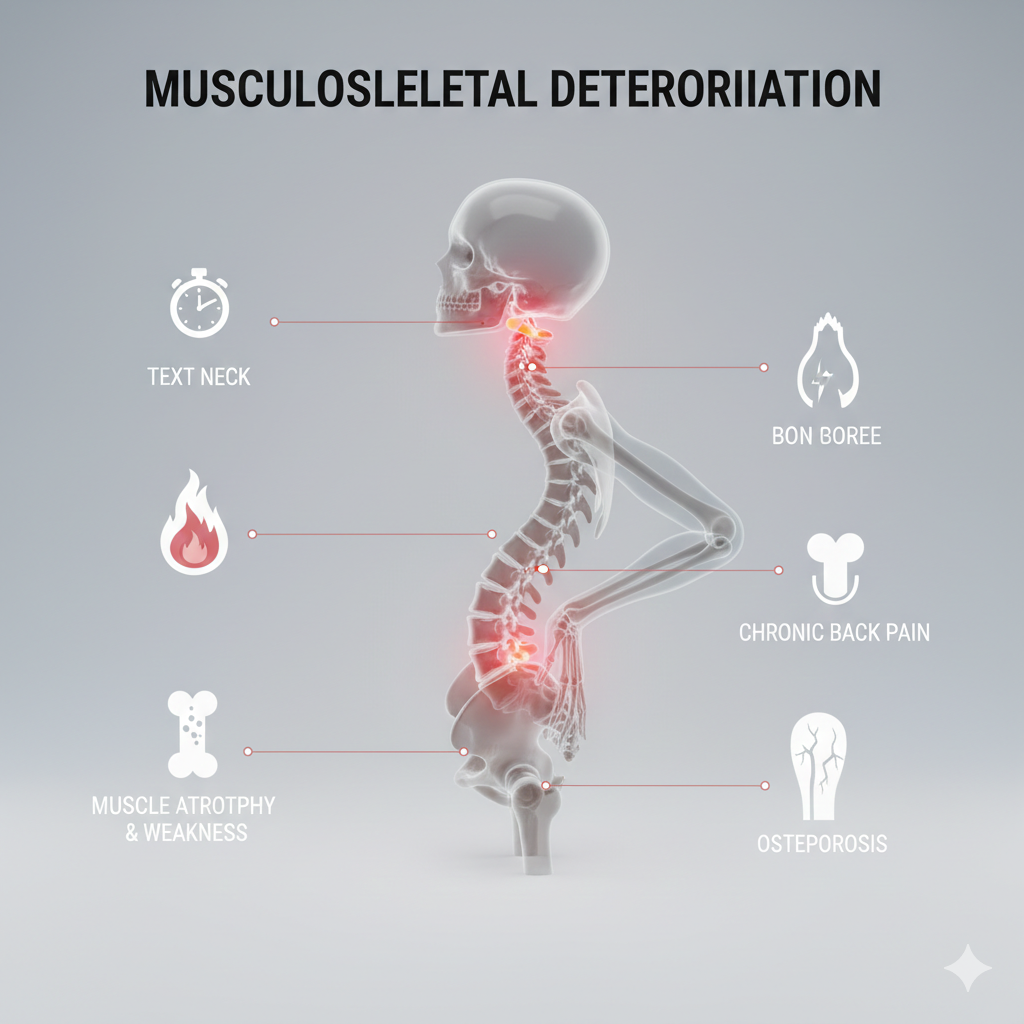
- “Text Neck” and Back Pain: Poor posture while sitting puts immense pressure on the cervical and lumbar spine. This often leads to chronic disc compression and muscle strain.
- Muscle Atrophy: The large muscles in your legs and glutes—your “powerhouse”—weaken and waste away. This not only affects balance but also slows your resting metabolic rate.
- Osteoporosis: Weight-bearing activities (like standing and walking) stimulate bone growth. Without them, bones lose mineral density and become more brittle.
3. The Impact on Mental Wellbeing
The harm isn’t just physical. The “sitting epidemic” is closely tied to the rising rates of mental health struggles in the workplace.
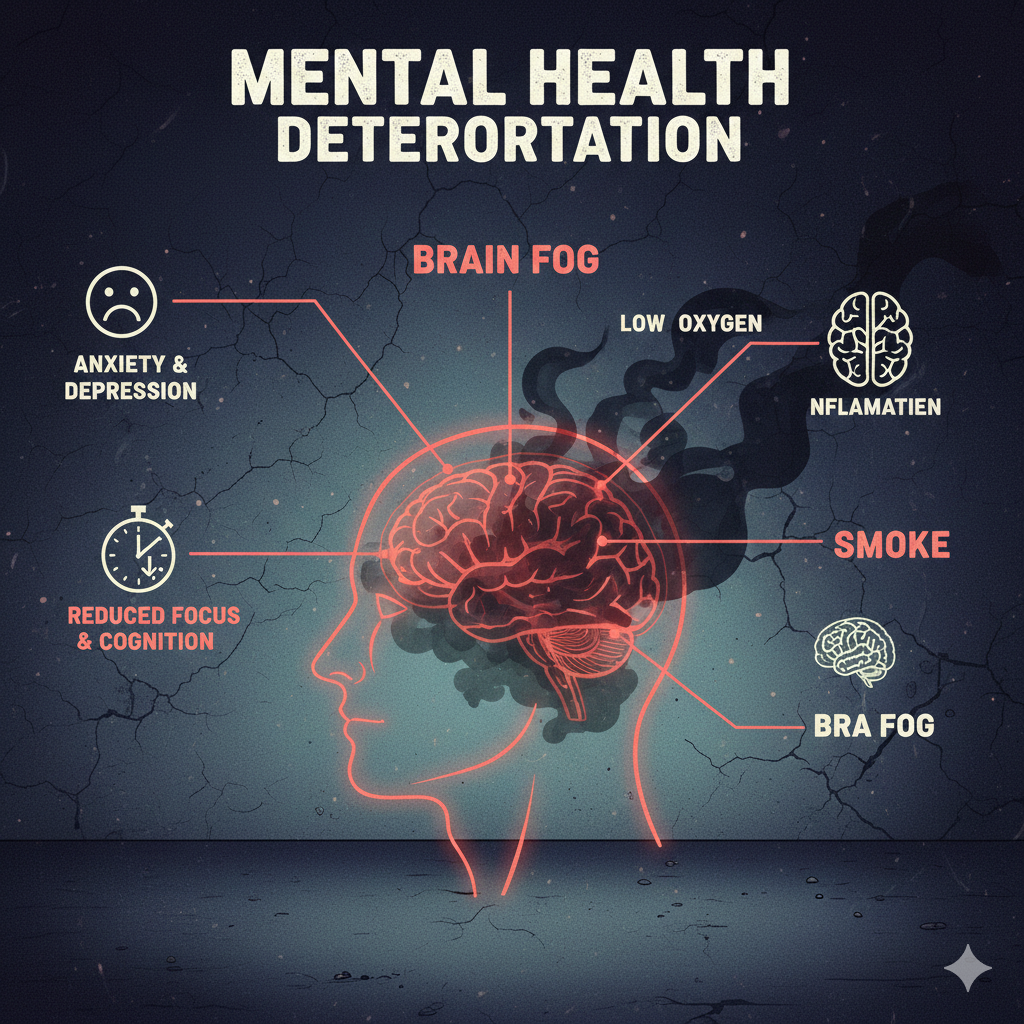
- Anxiety and Depression: Physical activity releases endorphins. A lack of movement is associated with higher levels of cortisol (the stress hormone) and a higher risk of depressive symptoms.
- Brain Fog: Movement increases blood flow and oxygen to the brain. Sitting for hours can lead to decreased cognitive function, making it harder to focus or solve complex problems.
Here is the SEO-optimized English version of the article, tailored with a professional yet engaging tone to highlight the “Sitting is the New Smoking” concept.
Sitting is the New Smoking: The Silent Killer of Modern Life
In the modern era, our lives are increasingly defined by sedentary behavior. From office cubicles and long commutes to evenings spent on the couch, we spend an average of 9 to 11 hours a day sitting. Medical experts are now sounding the alarm: Sitting is the new smoking. Research suggests that prolonged inactivity is just as detrimental to your longevity and physical health as tobacco use.
1. The Surge in Chronic Disease Risks
When you sit for extended periods, your body’s metabolism shifts into a “standby” mode. This inactivity triggers a domino effect of health issues.

- Cardiovascular Disease: Prolonged sitting slows blood flow and allows fatty acids to build up in the blood vessels more easily. This significantly increases the risk of high blood pressure, elevated cholesterol, and heart disease.
- Type 2 Diabetes: Studies show that just 24 hours of inactivity can lead to a drop in insulin sensitivity. Over time, this makes it difficult for your body to regulate blood sugar, leading to diabetes.
- Cancer Risk: Emerging research links sedentary behavior to an increased risk of certain cancers, specifically colon, breast, and endometrial cancers, likely due to increased inflammation and weight gain.
2. Musculoskeletal Deterioration
Our bodies were designed to move. When we remain static, our structural integrity begins to suffer.
- “Text Neck” and Back Pain: Poor posture while sitting puts immense pressure on the cervical and lumbar spine. This often leads to chronic disc compression and muscle strain.
- Muscle Atrophy: The large muscles in your legs and glutes—your “powerhouse”—weaken and waste away. This not only affects balance but also slows your resting metabolic rate.
- Osteoporosis: Weight-bearing activities (like standing and walking) stimulate bone growth. Without them, bones lose mineral density and become more brittle.
3. The Impact on Mental Wellbeing
The harm isn’t just physical. The “sitting epidemic” is closely tied to the rising rates of mental health struggles in the workplace.
- Anxiety and Depression: Physical activity releases endorphins. A lack of movement is associated with higher levels of cortisol (the stress hormone) and a higher risk of depressive symptoms.
- Brain Fog: Movement increases blood flow and oxygen to the brain. Sitting for hours can lead to decreased cognitive function, making it harder to focus or solve complex problems.
How to Combat the “Sitting Disease”
The good news? You don’t need to run a marathon to reverse these effects. Consistency is key.
1. The 30-Minute Rule
Set a timer on your phone or smartwatch. For every 30 minutes of sitting, stand up and move for at least 2 to 5 minutes. A quick stretch or a walk to the water cooler can “reboot” your enzymes that break down fat.
2. Optimize Your Workspace
- Standing Desks: Invest in a height-adjustable desk to alternate between sitting and standing throughout the day.
- Active Meetings: If you’re on a one-on-one call, try a “walking meeting.” You’ll likely find that movement sparks more creative ideas.
3. Increase “NEAT” (Non-Exercise Activity Thermogenesis)
NEAT refers to the energy expended for everything we do that is not sleeping, eating, or sports-like exercise.
- Take the stairs instead of the elevator.
- Park your car further away from the entrance.
- Stand while taking phone calls.
Conclusion
The evidence is clear: Your chair is killing you. While modern work may require us to be at a desk, our health depends on finding ways to break the cycle of stillness. By making small, intentional movements a part of your daily routine, you can significantly reduce the risks associated with the sedentary lifestyle.