
How Long Sitting Causes Discomfort Across Work, Driving, and Daily Life
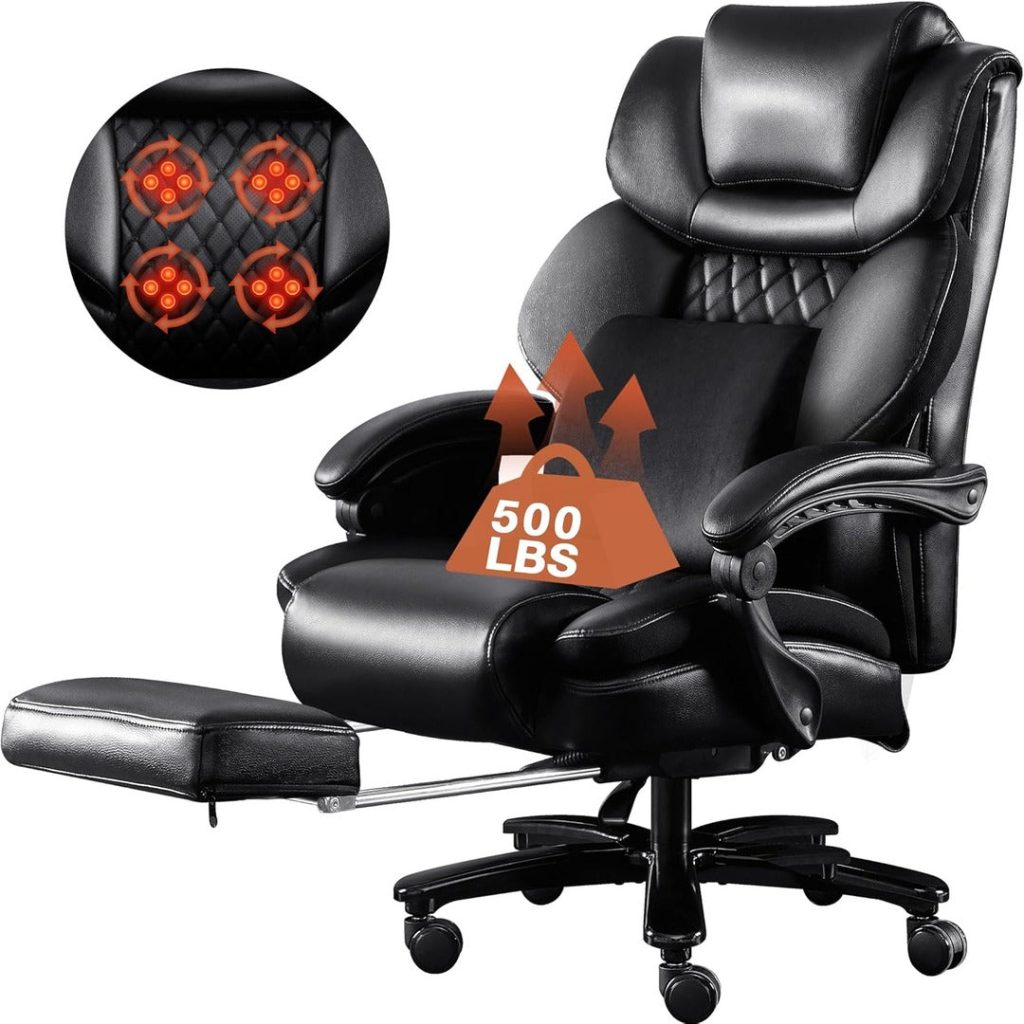
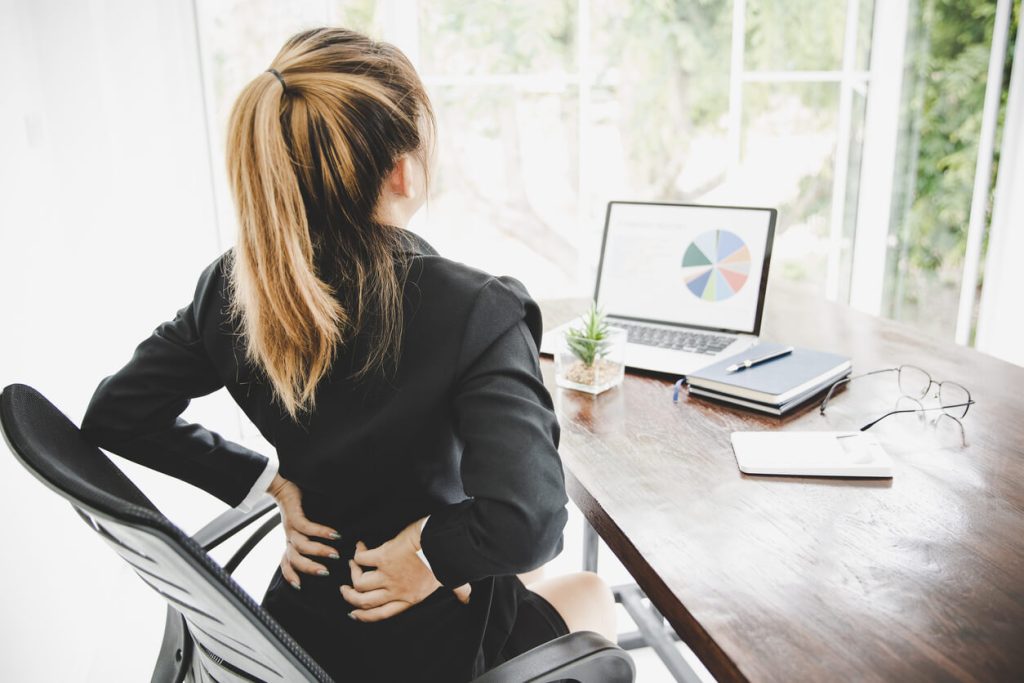
Modern life requires more sitting than ever before. Whether at a desk, behind the wheel, or at home, prolonged sitting has become a daily routine for millions of people. While sitting may feel harmless at first, staying seated for long periods can quietly lead to discomfort, strain, and long-term physical stress.
Understanding how prolonged sitting affects the body across different scenarios is essential for improving everyday comfort and well-being.
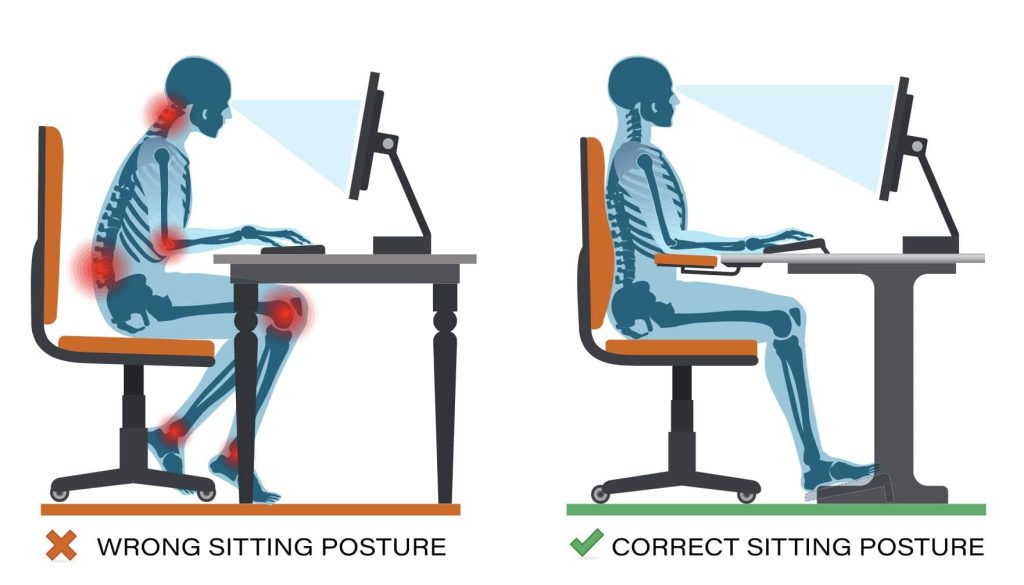
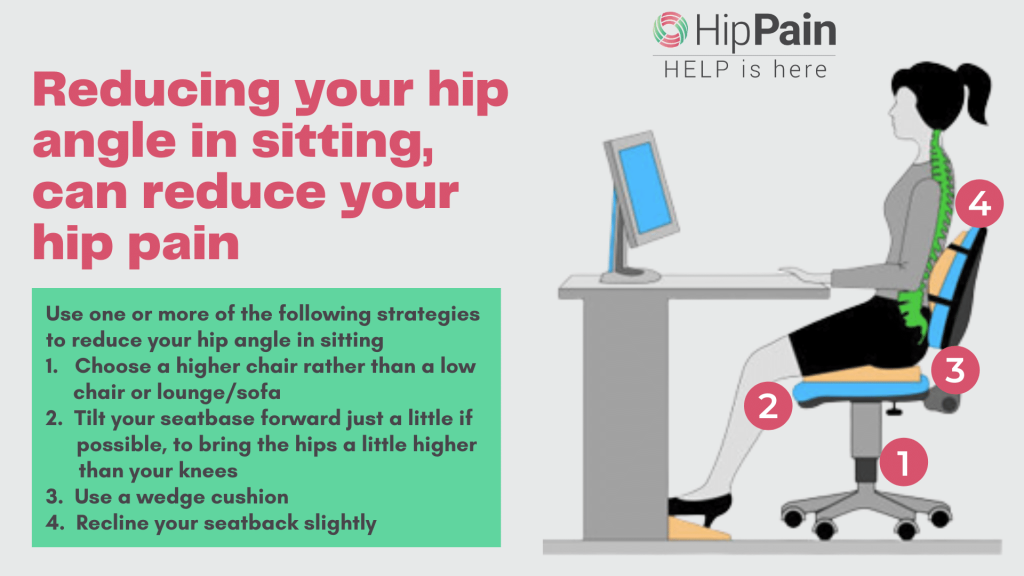
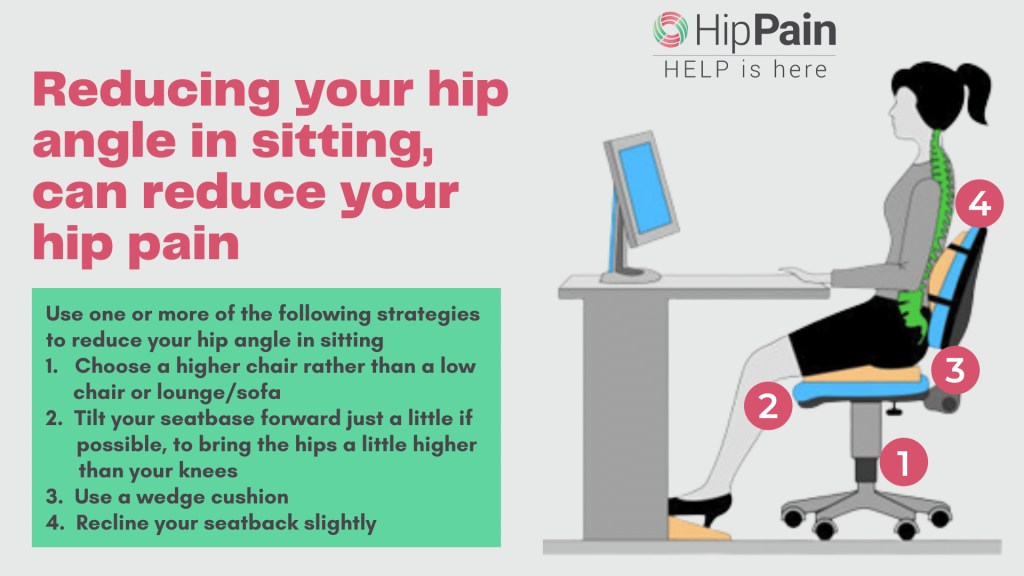
Office workers often remain seated for hours with minimal movement. As body weight presses downward, pressure builds beneath the hips and lower back. Over time, this pressure can lead to stiffness, soreness, and reduced sitting tolerance.
Poor pressure distribution in office chairs may cause discomfort not only in the lower back, but also in the hips and thighs. Without frequent posture changes, pressure remains concentrated in the same areas throughout the workday.
Driving for Long Hours: Neck, Back, and Hip Strain
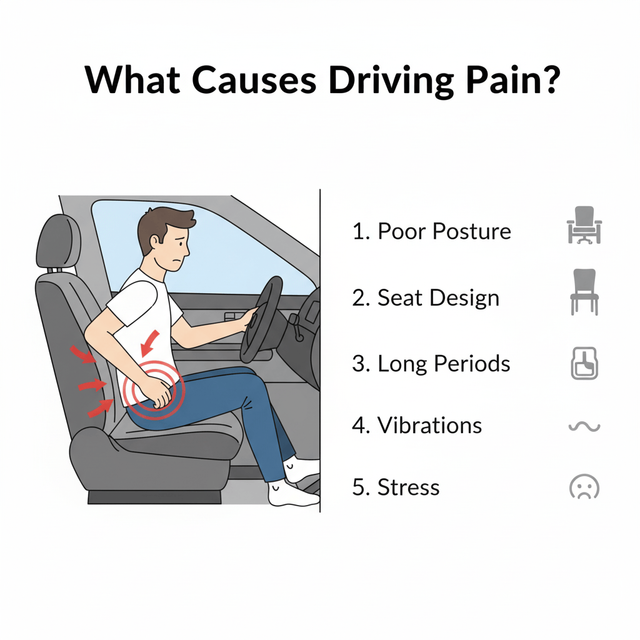
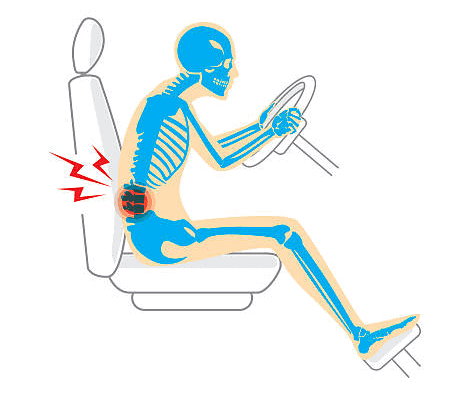
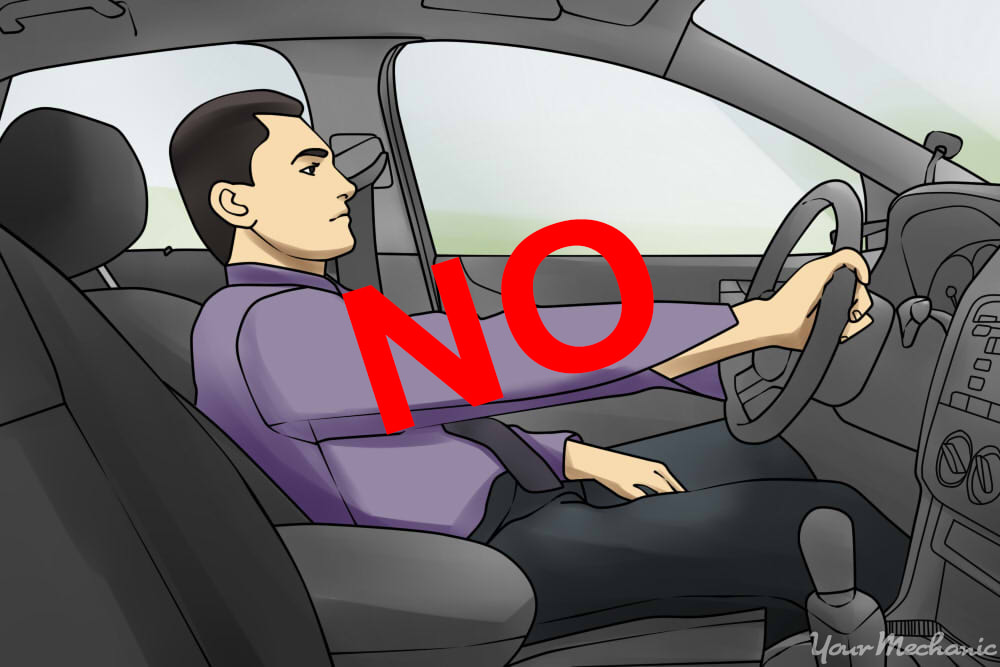
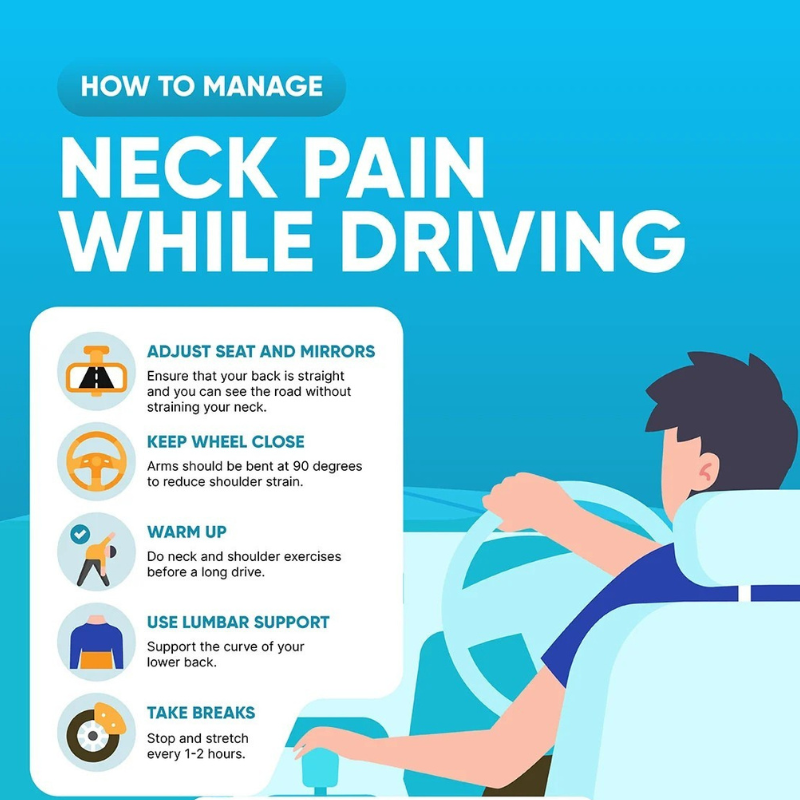
Drivers face a unique form of sitting-related discomfort. Maintaining a fixed posture to control the steering wheel and pedals limits natural movement. As a result, pressure builds quickly beneath the hips and lower back, while the neck and shoulders remain under constant tension.
Long-distance driving, daily commuting, or extended time in traffic can increase muscle fatigue and discomfort, making proper pressure management especially important for drivers.
Sitting at Home: Discomfort Doesn’t Stop After Work
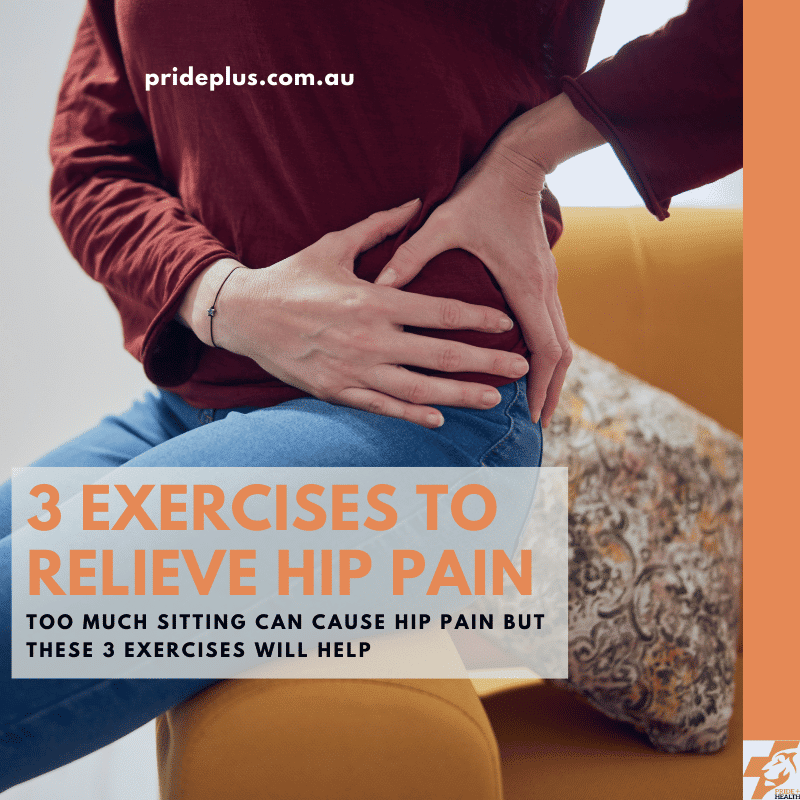
Sitting-related discomfort doesn’t end when the workday is over. Time spent sitting on couches, dining chairs, or home seating can further contribute to accumulated pressure on the body.
Without proper support, prolonged sitting at home may lead to tightness in the hips, lower back discomfort, and reduced overall comfort—especially for people who already spend most of the day seated.
Why Prolonged Sitting Causes Physical Stress
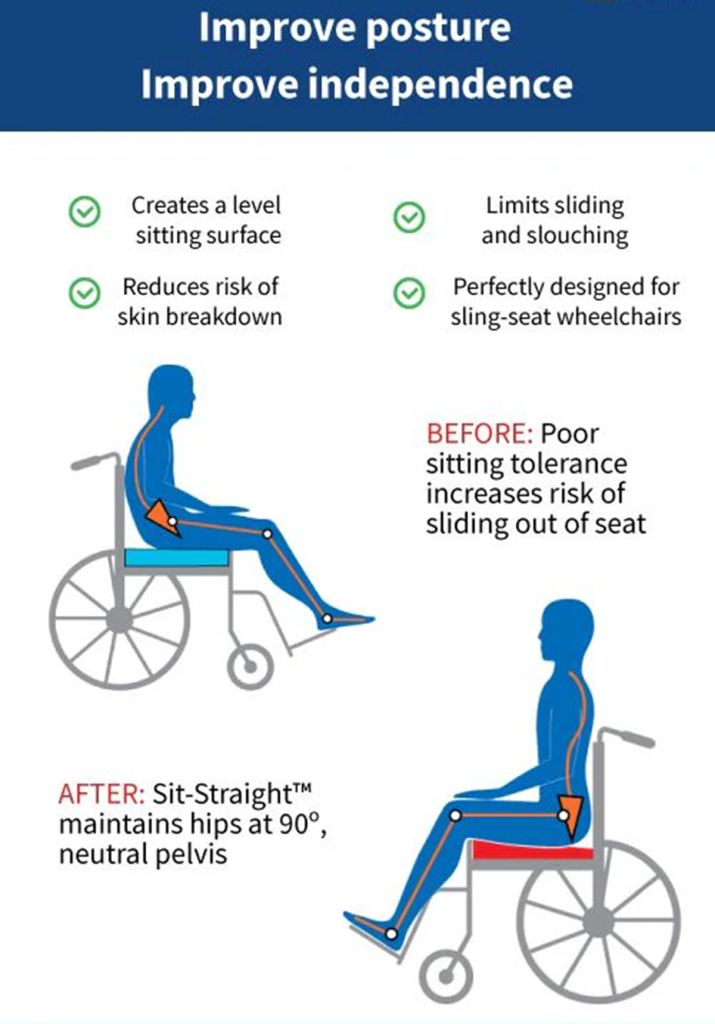
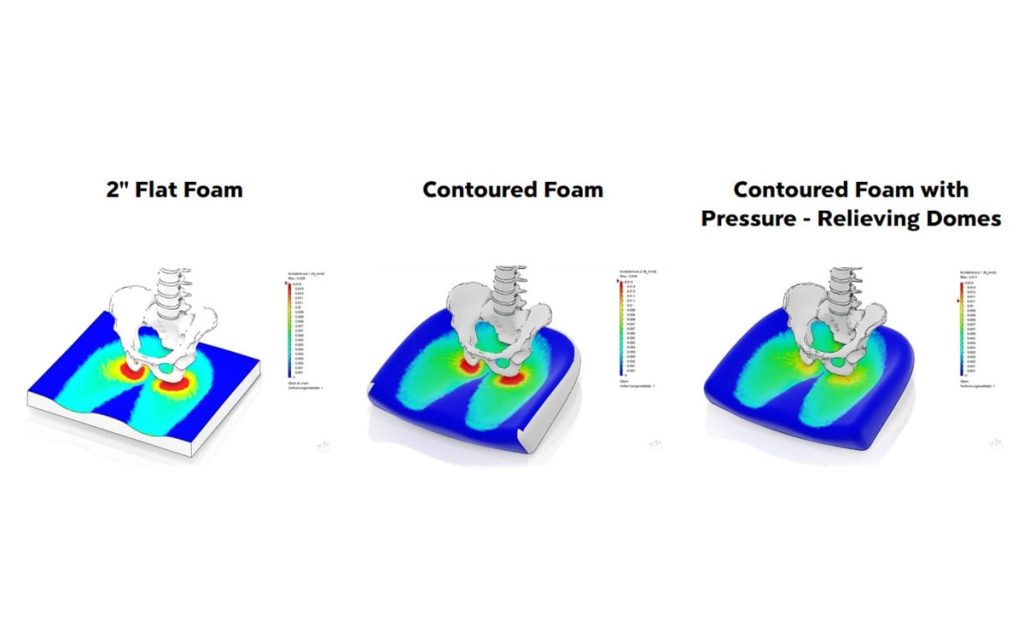
The primary issue with prolonged sitting is pressure concentration. When body weight remains in one position for extended periods, pressure accumulates in specific areas instead of being evenly distributed.
Over time, this pressure concentration can reduce blood flow, increase muscle tension, and contribute to discomfort. Movement, posture changes, and pressure redistribution all play a critical role in maintaining sitting comfort throughout the day.
Reducing the Impact of Long Sitting
While sitting may be unavoidable, its negative effects can be reduced by:
- Changing posture regularly
- Taking short standing or walking breaks
- Using seating solutions designed to manage pressure more evenly
- Being mindful of sitting habits across work, driving, and home environments
Small adjustments can make a meaningful difference in long-term comfort.
Conclusion
Prolonged sitting affects more than just one part of the body. From office desks to car seats and home seating, extended sitting can lead to discomfort in the back, hips, neck, and shoulders.
Recognizing the risks of long sitting is the first step toward better everyday comfort. When pressure is managed properly and movement is encouraged, sitting becomes more sustainable—even in a world that requires us to sit more than ever.